
Fenton Technologies supplies high-performance Sludge Dewatering Machines designed to reduce sludge volume, lower disposal costs, and produce a stable, handleable cake for safe disposal or resource recovery. Our dewatering systems handle municipal sewage sludge, industrial ETP/STP sludge, and process waste streams across a wide range of industries.
Whether your application demands continuous high-throughput operation or compact low-maintenance equipment, Fenton provides the right dewatering technology — fully engineered for your sludge type, feed concentration, and target cake dryness — ensuring minimum polymer consumption and maximum operational uptime.
Types of Sludge Dewatering Machines We Supply
We supply a complete range of sludge dewatering technologies to suit different sludge characteristics, site constraints, and dewatering targets.
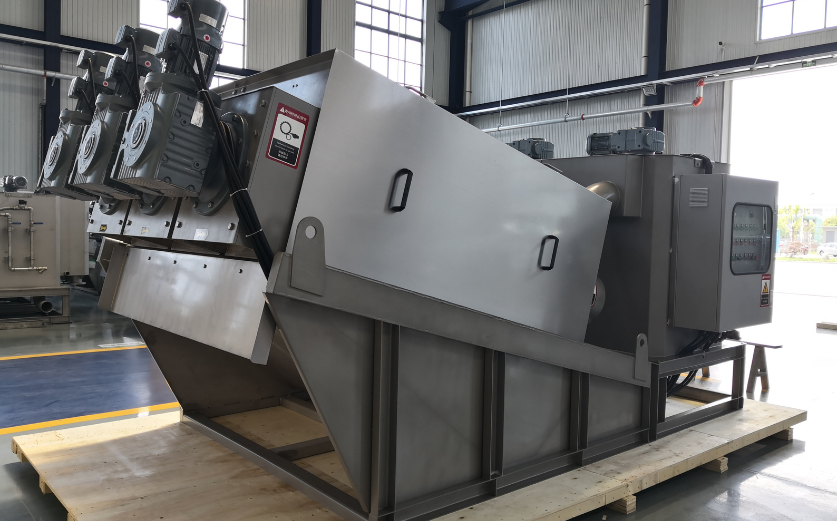
- Screw Press Dewatering Machine — low-speed, low-energy, continuous operation
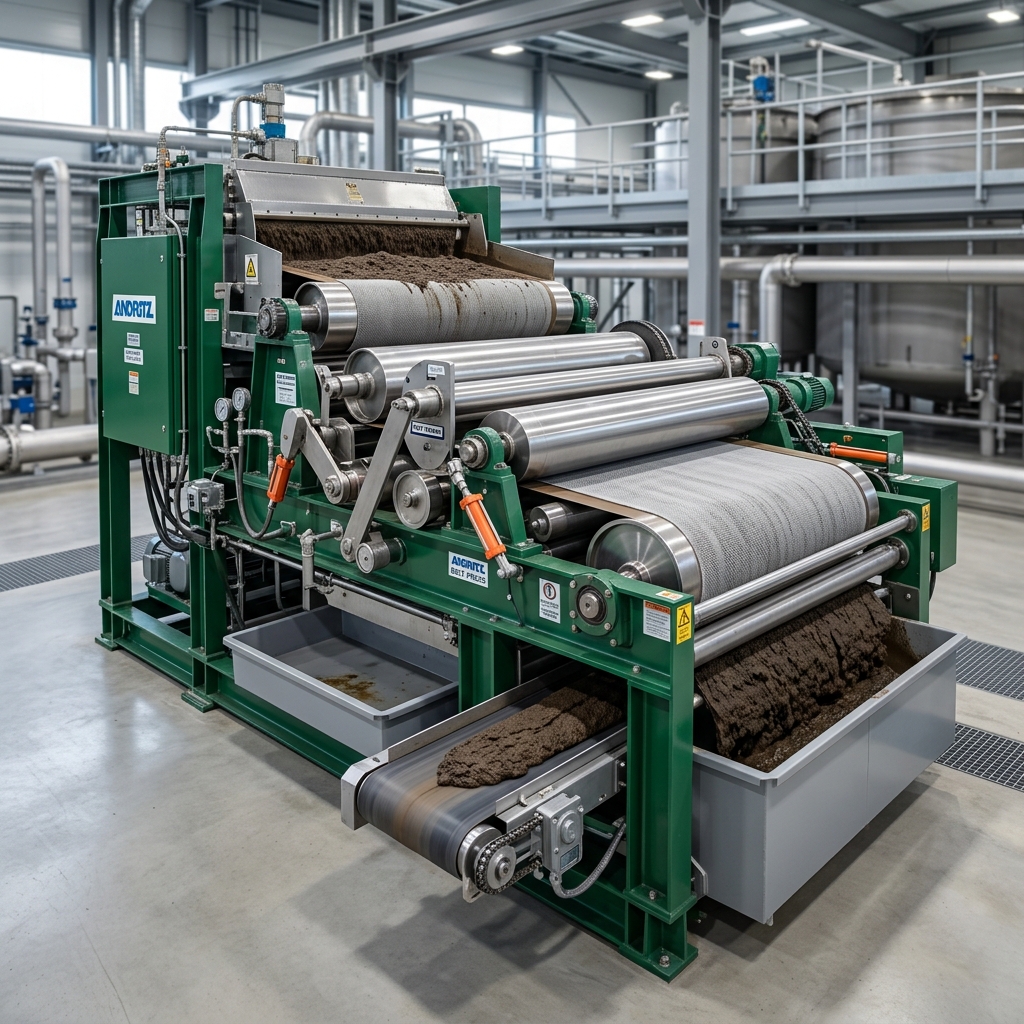
- Belt Filter Press — high-throughput dewatering for municipal & industrial sludge
- Decanter Centrifuge — high-speed centrifugal dewatering for fine sludge
- Rotary Drum Thickener — pre-thickening before dewatering for volume reduction
- Plate & Frame Filter Press — maximum cake dryness for difficult sludge types
Key Benefits of Fenton Dewatering Systems
Choosing a Fenton Technologies sludge dewatering machine means dramatically reducing sludge disposal costs, minimising landfill volume, and achieving consistent, compliant cake quality.

Up to 80% Volume Reduction
Our dewatering machines reduce sludge volume by up to 80%, dramatically cutting transportation, landfill disposal, and handling costs for your facility.

Low Energy & Maintenance
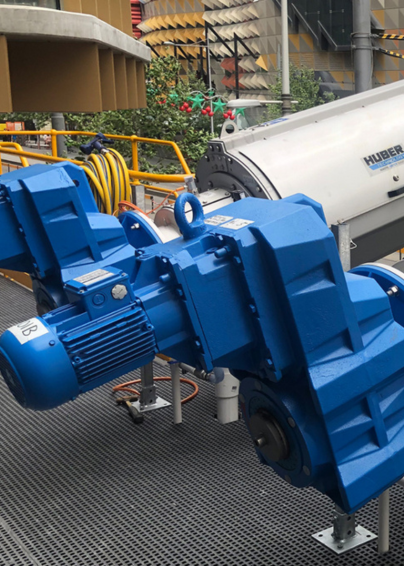
Screw press & belt press systems consume significantly less energy than centrifuges, with minimal wear parts and simple automated operation requiring low maintenance.
Sludge Dewatering FAQs
Answers to the most common questions about sludge dewatering machine selection, operation, and performance.
A sludge dewatering machine mechanically removes water from biological or chemical sludge produced during wastewater treatment. By reducing sludge water content from 95–99% down to 70–85%, dewatering reduces sludge volume by up to 80%, making it far cheaper and easier to transport, dispose of in landfill, or use as compost/fertiliser.
A screw press uses a rotating screw inside a cylindrical screen to apply progressive pressure, producing 18–25% DS cake with very low energy and water wash use — ideal for biological sludge. A belt filter press uses two moving belts with gravity drainage and pressure rollers, achieving 18–22% DS at higher throughput — best for high-volume municipal STP applications.
Selection depends on sludge type, feed solids concentration, required cake dryness, and throughput. Screw presses are ideal for small-to-medium STPs and industrial ETP with biological sludge. Centrifuges suit fine, difficult-to-dewater sludge needing high DS. Belt presses suit large municipal plants with high continuous throughput requirements. Fenton engineers will recommend the optimal technology after sludge characterisation.
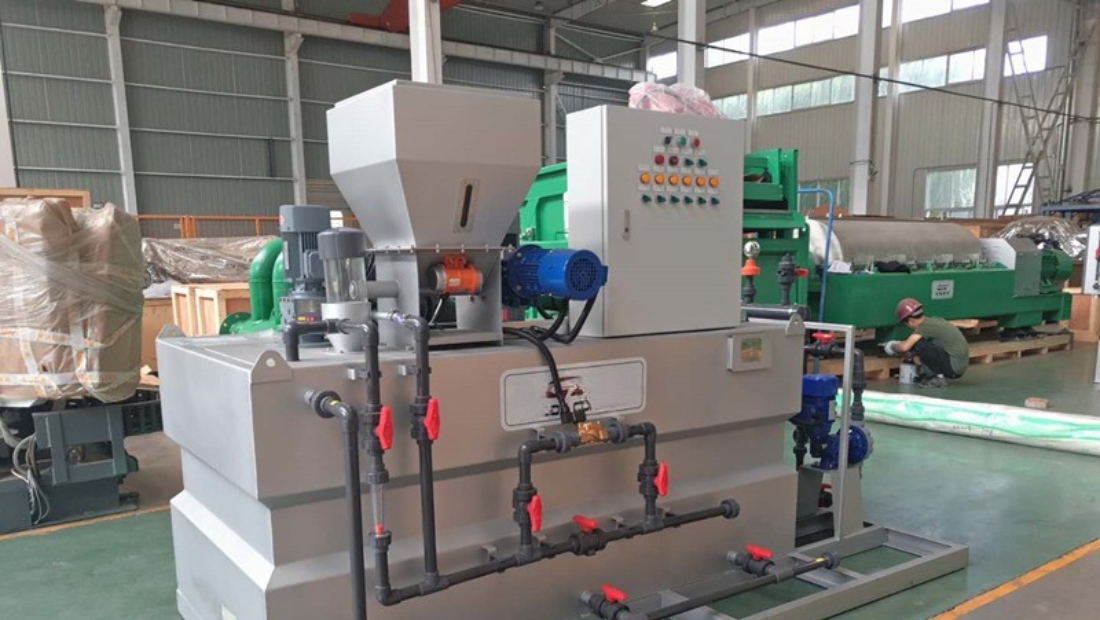
Most mechanical dewatering systems require anionic or cationic polyacrylamide (PAM) polymer to condition the sludge before dewatering. Typical dosing is 2–10 kg polymer per tonne of dry solids. Fenton systems include integrated auto-dilution polymer preparation & dosing units calibrated to your sludge for minimum chemical cost and maximum cake dryness.
Yes. Fenton Technologies supplies fully automated sludge dewatering systems with PLC/SCADA control, automatic polymer dosing, feed pump control, cake conveyor integration, and remote monitoring — designed for continuous unmanned operation in municipal and industrial wastewater treatment plants.