
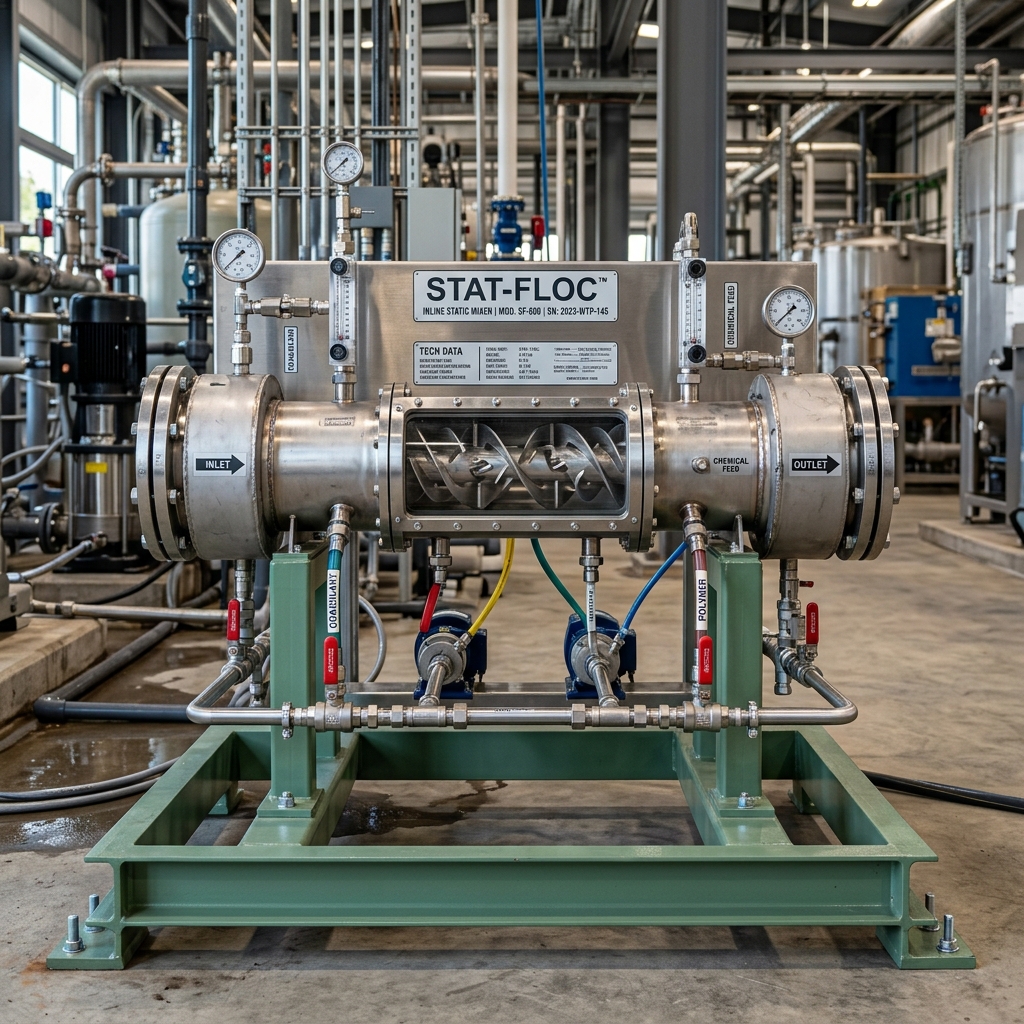
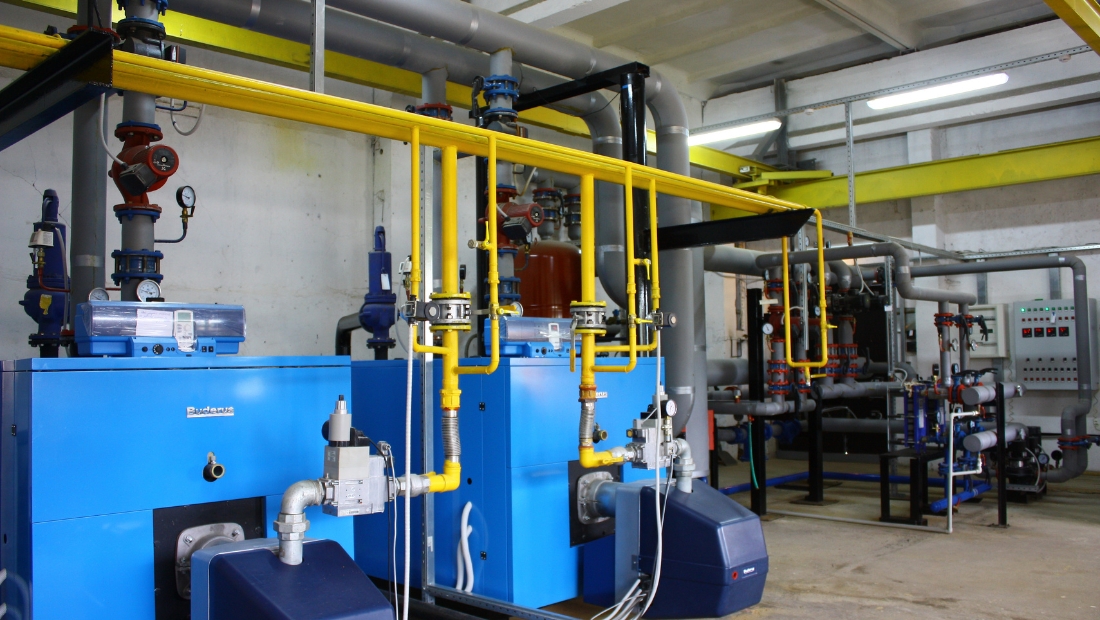
Fenton Technologies offers high-efficiency Pipe Flocculators designed for inline chemical mixing and flocculation in wastewater treatment plants. Our systems replace traditional bulky flocculation tanks with a compact, energy-efficient inline solution that ensures uniform chemical distribution and robust floc formation.
By using a series of engineered pipe bends and internal turbulence promoters, the Fenton Pipe Flocculator creates the ideal environment for polymer and coagulant interaction, leading to better settling rates and clearer effluent in downstream processes like DAF or Clarifiers.
Advantages of Inline Pipe Flocculation
Traditional flocculation tanks require large footprints and high energy for mechanical mixers. Fenton's inline technology offers a superior alternative.
- Space Saving — compact footprint compared to traditional stirred tanks
- No Moving Parts — zero maintenance for internal mixing elements
- Precise Retention Time — controlled pipe length ensures optimal contact time
- Lower Chemical Costs — superior mixing efficiency reduces polymer consumption
- Plug-and-Play — easy integration into existing pipeline systems
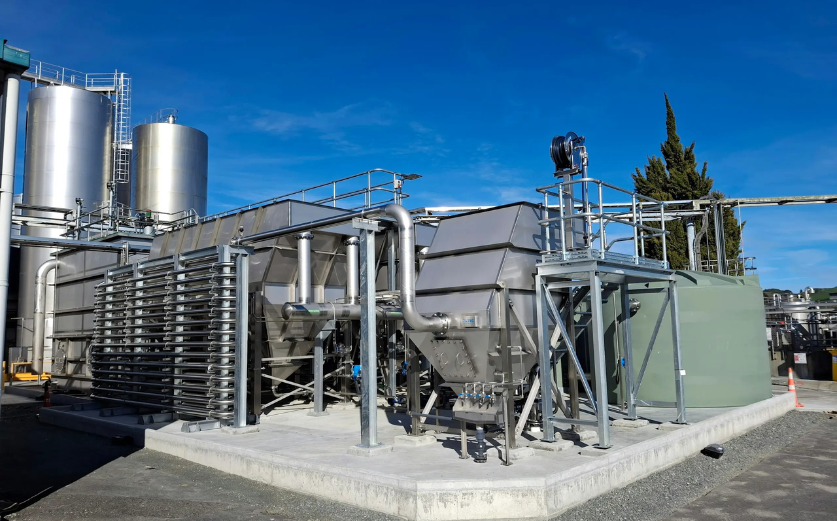
Key Features of Fenton Systems
Our pipe flocculators are engineered to handle varying flow rates and chemical loads while maintaining consistent floc quality.
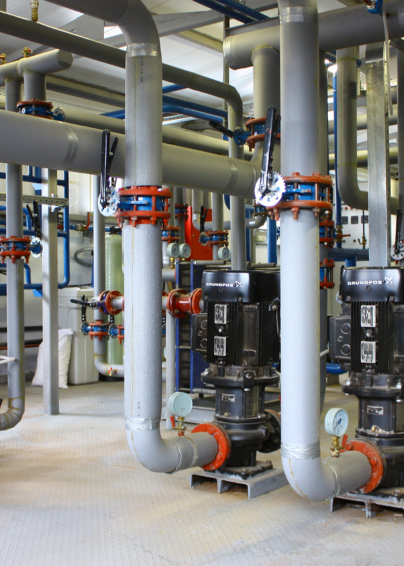

Multiple Dosing Points
Inbuilt ports for coagulants, polymers, and pH adjustment chemicals at precise intervals for maximum effect.

Corrosion Resistant
Available in High-Density Polyethylene (HDPE), Stainless Steel (SS304/316), or PVC to suit corrosive chemical environments.
Pipe Flocculator FAQs
Learn more about how inline flocculation can improve your wastewater treatment process.
A pipe flocculator uses the kinetic energy of the flowing water to create controlled turbulence. As water travels through the engineered pipe sections, added chemicals are mixed thoroughly, allowing small particles to collide and form larger "flocs" that are easier to remove downstream.
Yes, Fenton pipe flocculators are designed with a specific operating range. We size the pipe diameter and length based on your minimum and maximum expected flow to ensure that the required mixing energy is maintained even at lower flow conditions.